

Educate First, Sell Later
The medtech buyer is not waiting for a sales conversation to begin learning. That changes the work commercial teams need to do before the first meeting ever happens.
For a long time, medtech companies could build a commercial strategy around controlled access to information. The representative carried the story, the product presentation framed the problem, and the buyer often learned about new solutions through the sales process itself.
That model is not gone, but it is no longer enough. The modern medtech buyer is researching before the meeting, asking peers before the pitch, watching content before the demo, and forming opinions before the first formal conversation.
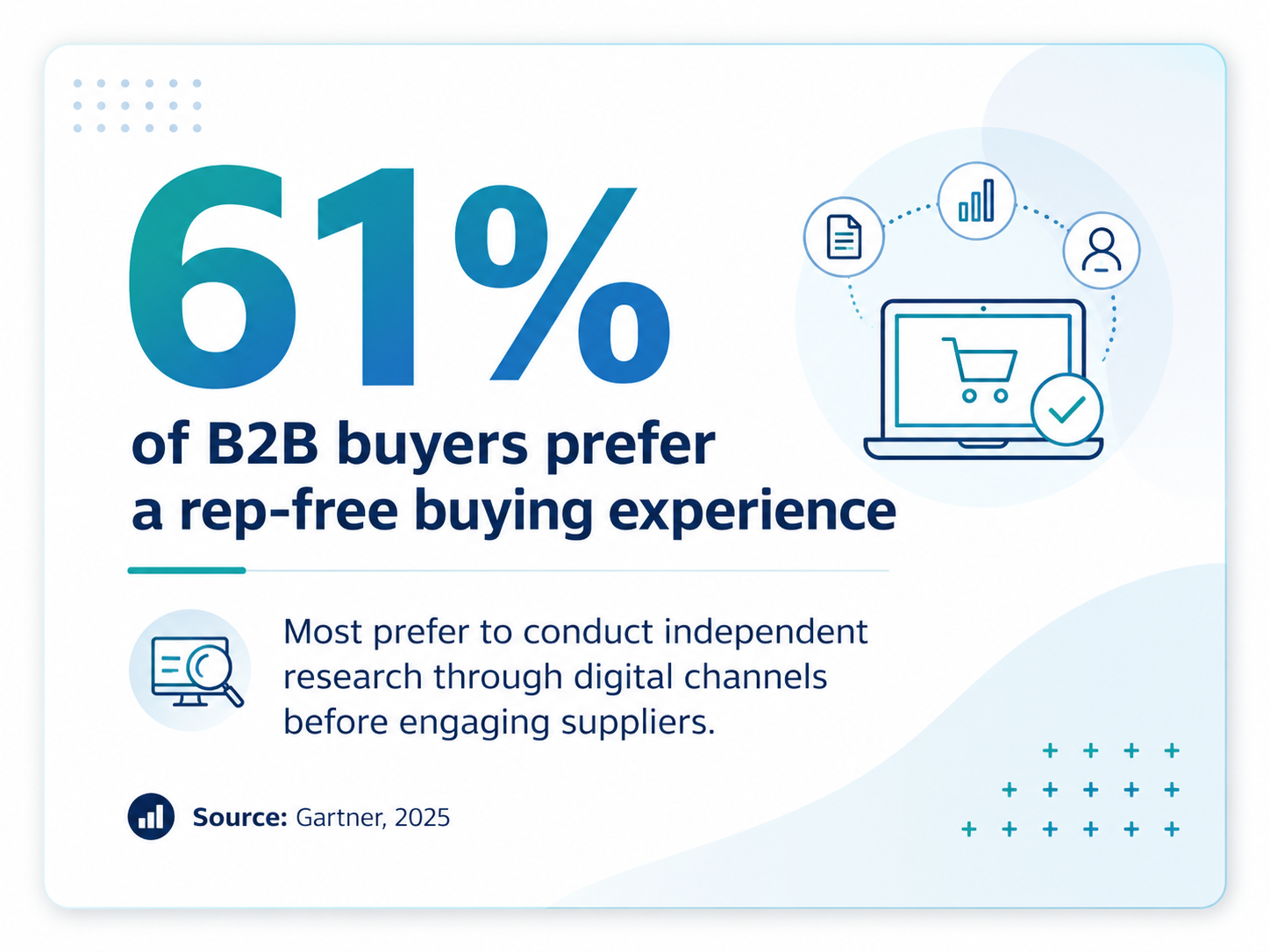
This shift is not just anecdotal. Gartner reported in 2025 that 61% of B2B buyers prefer an overall rep-free buying experience, and that most buyers prefer to conduct independent research through digital channels. The same report noted that buyers favor online self-service when searching for general information and learning new things. Read the Gartner report.
That matters because much of medtech still behaves as if education belongs inside the sales process. We create the white paper, the deck, the webinar, the clinical proof, and the product message, but too often we assume those tools only become valuable once a buyer has raised their hand.
If buyers are learning before suppliers are in the room, education cannot wait for the first official conversation.
In this episode of Medtech Business Academy, we talked about what happens when buyers encounter information outside the channels companies expect. One example came from a pharmacy leader who first learned about a product because a younger pharmacist saw something about it on TikTok. It was not the company’s campaign that created the first point of awareness, but that signal led the buyer back to the company’s official information.
That should make every commercial and marketing leader pause. The question is not whether medtech buyers are consuming information in new places. They are. The question is whether companies are showing up with enough relevant education to be found, trusted, and remembered when interest begins.
This does not mean the sales representative is less important. In many ways, it means the representative has to be supported by a much stronger educational environment. The rep should not be responsible for creating awareness, defining the problem, building trust, proving relevance, and closing the opportunity all at once.
The companies that will win are the ones that teach before they sell. They will help customers understand the problem more clearly, see the operational and financial implications, and recognize when a current approach may no longer be enough.
Selling still matters. But in this market, education has to come first.